Why Am I So Tired at 2 P.M.?
B12 & NAD+ IV Therapy for Brain Fog and Fatigue
By the Bounce Hydration Team | Trusted IV Hydration in Houston Since 2018
That 2 p.m. wall - heavy eyelids, foggy thinking, the pull toward a third cup of coffee - isn't just "normal tiredness." For many people, it's a sign that something at the cellular level needs support: nutrient stores are low, energy metabolism is sluggish, or the brain isn't getting what it needs to stay sharp.
Two of the most talked-about tools for fixing this are B12 and NAD+ IV therapy. But do they actually work? Do you need to be deficient for them to help? And how long do the effects really last? Let's separate the evidence from the marketing.
What Actually Causes Afternoon Brain Fog?
Brain fog and midday crashes are usually driven by one or more of the following:
- Blood sugar swings from a carb-heavy lunch, causing an energy dip a few hours later.
- Dehydration, which reduces blood volume and slows oxygen and nutrient delivery to the brain.
- Nutrient depletion, especially B-vitamins, which are essential cofactors in cellular energy production.¹
- Poor sleep quality, which caffeine can mask but not fix.
- Chronic low-grade stress, which drains adrenal and metabolic reserves over time.
Most people stack two or three of these at once, which is why a single cup of coffee often isn't enough to fully clear the fog.
Do B12 Shots Work If You're Not Deficient?
This is one of the most searched questions on the topic, and the honest answer is: it depends on your baseline levels.
- If you have a true B12 deficiency (common in vegetarians, vegans, older adults, and people with absorption issues like pernicious anemia or a history of gastric surgery), injections produce a dramatic, measurable improvement in energy, mood, and neurological function.²
- If your B12 levels are already normal, research shows additional B12 is unlikely to provide the same noticeable energy boost; your body simply excretes what it doesn't need.² That said, many clients still report a subjective lift in alertness and mental clarity, particularly when B12 is combined with other nutrients and hydration in an IV blend, which supports overall cellular energy metabolism rather than B12 alone.
Bottom line: B12 therapy works best, and most predictably, for people with low or borderline levels. A quick blood panel can confirm whether you're a good candidate.
B12 Injection vs. Oral Supplements: Which Is Actually Better?
This is the second most common question people ask before booking and the science is more nuanced than most marketing suggests.
- For most healthy adults, high-dose oral B12 (1,000–2,000 mcg/day) is just as effective as injections at normalizing blood levels over time.³
- For people with absorption problems (pernicious anemia, GI surgery, certain medications, or malabsorption disorders), injections bypass the gut entirely and are the clinical standard of care because oral absorption is unreliable.²ᐟ³
- IV delivery goes a step further than injections by delivering nutrients directly into the bloodstream alongside hydration, which is why many people notice effects faster, even if some underlying nutrient absorption research favors oral dosing for long-term maintenance in non-deficient individuals.
In short: if you're deficient or have absorption issues, IV/injection wins on speed and reliability. If you're not deficient, oral supplementation is a perfectly effective long-term option.
How Long Do B12 and NAD+ IV Results Actually Last?
There's no single universal answer, because it depends on your baseline nutrient levels, metabolism, and hydration status, but here's the general pattern clients report and research supports:
- B12 IV/injection: Energy and mood benefits are typically felt within 24 to 48 hours and can last several days to a couple of weeks, depending on how depleted you were beforehand.² People with chronic deficiency often need maintenance dosing every 4–12 weeks.²
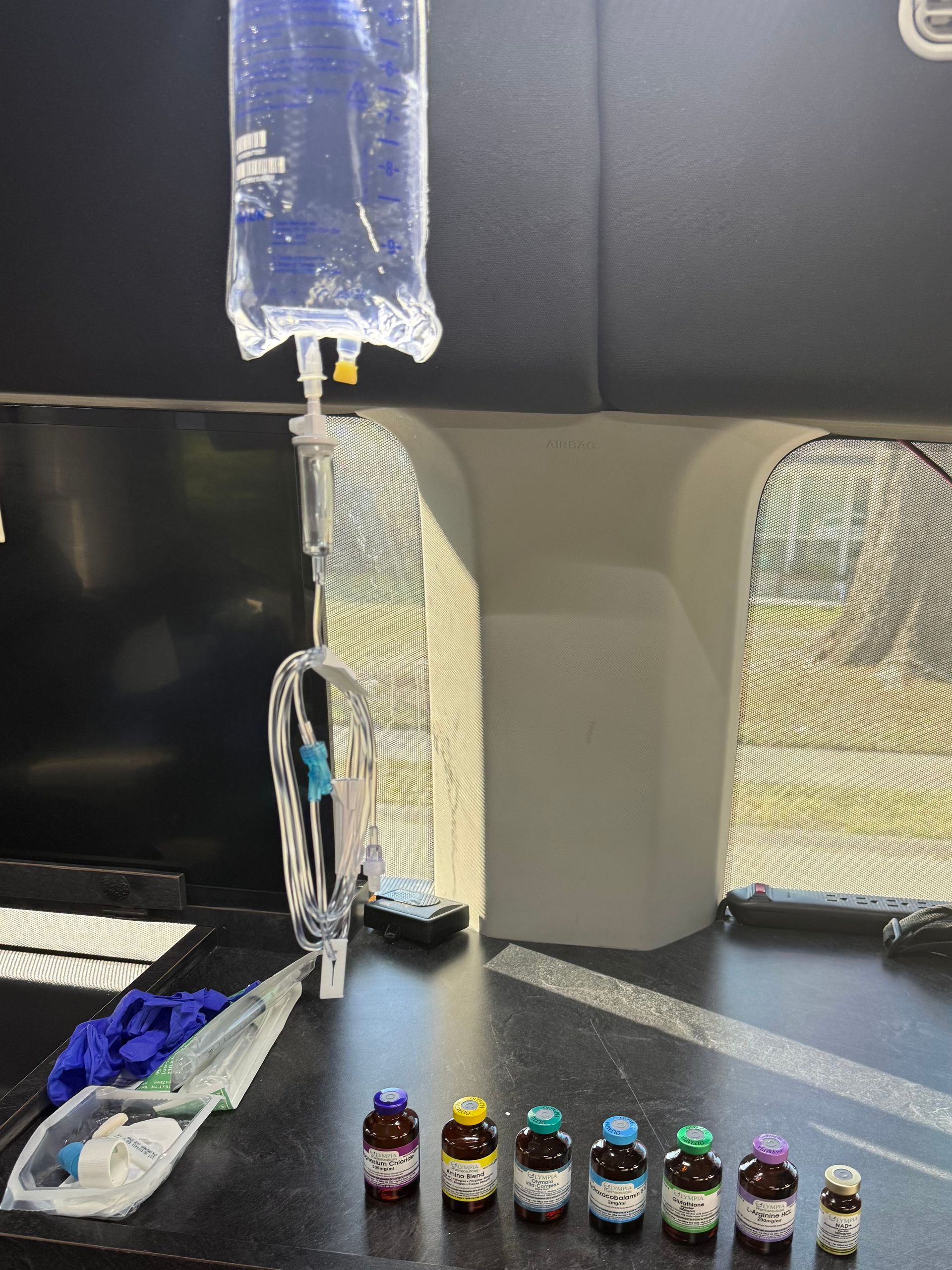
- NAD+ IV therapy: This is one of the fastest-growing areas in wellness care - and for good reason. At Bounce Hydration, we've seen hundreds of clients walk out reporting sharper focus, better mood, and noticeably more energy, often within hours of their session. While large-scale clinical research on NAD+ specifically for energy and brain fog is still catching up to B12's decades of study,⁴ many clients consistently describe improved mental clarity and reduced fatigue lasting several days to a week or more, with even stronger, longer-lasting effects reported after a series of treatments. As with any wellness therapy, individual results vary, but for many of our regulars, NAD+ has become a go-to tool for staying sharp and energized.
So Which One Should You Choose?
- Feeling foggy, run-down, and possibly low on B12? → B12-based IV blend
- Looking for longer-term mental clarity and a cellular energy tool? → NAD+ IV
- Not sure? A quick consult (and blood work, if needed) can help match the right therapy to your actual nutrient status, rather than guessing.
Frequently Asked Questions
Does IV therapy work better than just drinking water or taking a vitamin?
For hydration alone, oral fluids work well for mild, everyday needs. IV therapy is more effective when you're significantly dehydrated, nutrient-deficient, or want faster, more complete absorption - since it bypasses the digestive system entirely.
How often should I get B12 or NAD+ IV therapy?
Most people benefiting from ongoing support schedule sessions every two to four weeks, though this varies based on individual deficiency levels and goals.
Is NAD+ IV therapy safe?
Yes, when administered by trained professionals, NAD+ IV therapy is considered safe, and we've been safely providing it to clients for six years. Our team follows strict protocols and closely monitors every session to ensure comfort and safety throughout. As with any IV therapy, it's important to provide your full medical history beforehand so we can tailor your treatment appropriately.
Can I get B12 IV therapy if my levels are already normal?
Absolutely! Many of our clients with normal B12 levels still enjoy a noticeable energy boost after their IV. Iit's not just for those who are low or borderline. That said, if your levels are on the lower end, you may notice an even more dramatic difference in energy and focus.
The Bottom Line
Brain fog and afternoon crashes are real, common, and usually caused by a stack of small deficits: hydration, blood sugar, sleep, and nutrients, rather than one single culprit. B12 therapy has strong research behind it for deficient individuals, oral supplements work well for many people, and NAD+ has become one of our clients' favorite tools for sustained energy and mental clarity, with many reporting real, noticeable results after just one session. Whichever path you choose, the key is finding what works for your body - and that's exactly what we're here to help you figure out.
Ready to find out what your body actually needs? Book your appointment with Bounce Hydration - mobile or in-office, Houston-wide.
References
- National Institutes of Health, Office of Dietary Supplements. Vitamin B12, Health Professional Fact Sheet. ods.od.nih.gov
- Mayo Clinic. Vitamin B-12: Uses, Deficiency, and Supplementation. mayoclinic.org
- Cleveland Clinic. B12 Injections vs. Oral Supplements: What's the Difference? my.clevelandclinic.org
- National Center for Complementary and Integrative Health (NCCIH). Emerging Research on NAD+ Supplementation. nccih.nih.gov
*This blog is for educational purposes only and is not a substitute for professional medical advice. Please consult a healthcare provider before beginning any new supplement or IV therapy regimen, especially if you have underlying health conditions.
Share with Your Friends and Family!