11 Tested Ways to Fix a Hangover

February 10, 2022

It’s the morning after a big night out and you feel like death. Your head is pounding, your mouth is dry, and nausea is creeping up on you. You had a great time last night, but now you’re paying for it. You’ve probably heard some of the hangover cure myths out there, but you don’t have to eat your body weight in greasy breakfast foods to improve your symptoms. Follow these simple tips to prevent and alleviate your hangover, and you’ll be feeling great again in no time.

1) Drink Water Before PArtying

Drink water before indulging in alcohol, before bed and the day after. Dehydration is a major contributor to the hangover symptoms you’ve come to know and loathe. Drinking water before bed and hydrating thoroughly the day after a night of heavy drinking can help to restore your body’s hydration. Adequate water intake also ensures your body is able to flush toxins efficiently.

2) Drink Water While You’Re Drinking

Another water-based solution is to drink one glass of water for every alcoholic beverage you consume. Drinking water between cocktails can slow your body’s absorption of alcohol by increasing the time between drinks and mitigating the dehydrating effects of alcohol.

3) Don’t OverindulgE

Hangovers are your body’s way of saying you’ve overindulged. It’s okay to enjoy yourself, but don’t cross the line into binge drinking. Men who drink five to seven cocktails within four to six hours will almost certainly experience a hangover. The same seems to be true for women after three to five drinks within the same period. The best way to avoid a hangover is to drink moderately.

4) Take Over-the-Counter Painkillers

Over-the-counter painkillers can also alleviate hangover symptoms. Aspirin, in particular, contains acetylsalicylic acid, which is a cyclooxygenase inhibitor. In other words, aspirin stops the formation of prostaglandins, which help regulate your body’s pain response. Fewer prostaglandins mean you’ll experience less pain after drinking too much.

A common suggestion is to take two aspirin before bed, but the benefits of this method are dubious. Most over-the-counter pain medication leaves your system within four to six hours, which means you won’t experience the benefits of those aspirin. More importantly, the combination of alcohol and acetaminophen, in particular, has been shown to cause liver damage. A better option is to take the painkiller after you wake up.

5) Take Naps

Try to sleep as much as possible after drinking. Alcohol has been shown to interrupt your sleep patterns through what is known as the “glutamine rebound.” Production of the amino acid glutamine is suppressed when you’re drinking. When alcohol leaves your system – usually while you’re asleep – the body attempts to restore its glutamine levels. This “glutamine rebound” has been associated with increased waking up and light sleeping. Most people experience six to seven rapid eye movement (REM) cycles during a normal night; after a night of sleeping, that number is reduced to two or three.¹ 

While you cannot neutralize the effects of the glutamine rebound, you will likely feel better if you get as much sleep as possible after a night of raging. The only way to fully recover is to get quality, uninterrupted sleep the night after your big night out.

6) Avoid drinking dark alcoholic beverages

Avoid drinking dark alcoholic beverages right before bed. Darker drinks tend to contain more congeners – a byproduct of the fermentation process that occurs during alcohol production – than lighter drinks. Research suggests that congeners contribute to hangover symptoms. So, if you’re hoping for a headache-free morning, put away the scotch. Try gin or vodka cocktails, instead.

7) Don’t drink on an empty stomach

 If you start drinking while your stomach is empty, the alcohol will be absorbed into your bloodstream quickly. The average person’s liver can only metabolize one drink per hour. If you’re drinking more than one alcoholic beverage per hour, your blood alcohol level will rise at an unhealthy rate, causing you to feel more drunk than you would otherwise.

The good news is that eating a fatty meal prior to drinking has been shown to slow the body’s absorption of alcohol. So, enjoy a steak or a pizza before your next night out.

8) Get THose Electrolytes

Electrolyte replenishment is also key to preventing hangovers. Alcohol inhibits the secretion of antidiuretic hormones (ADH), which increase urination and prevent your body from reabsorbing water. This leads to lost electrolytes. It’s important to restore your electrolyte levels by drinking water or, better yet, coconut water the day after an indulgent evening.

9) Try Some Sugary Foods

Sugary foods may help you to feel less trembly when you have a hangover.² The high fructose content of honey, in particular, may help your body to rid itself of alcohol more quickly. One study of 50 adults found that honey increased the rate of blood ethanol elimination by as much as 32.4%.³ Unfortunately, honey hasn’t been shown to alleviate the symptoms themselves.

10) Supplements can Help

Some supplements have also been shown to improve hangover symptoms. One study concluded that an extract of the opuntia ficus indica plant, better known as prickly pear cactus, had a moderately palliative effect on hangover symptoms.⁴ Red ginseng has also been shown to relieve the effects of alcohol consumption and hangover symptoms by facilitating the body’s ability to metabolize alcohol.⁵

One Possible ANswer… IV Drips

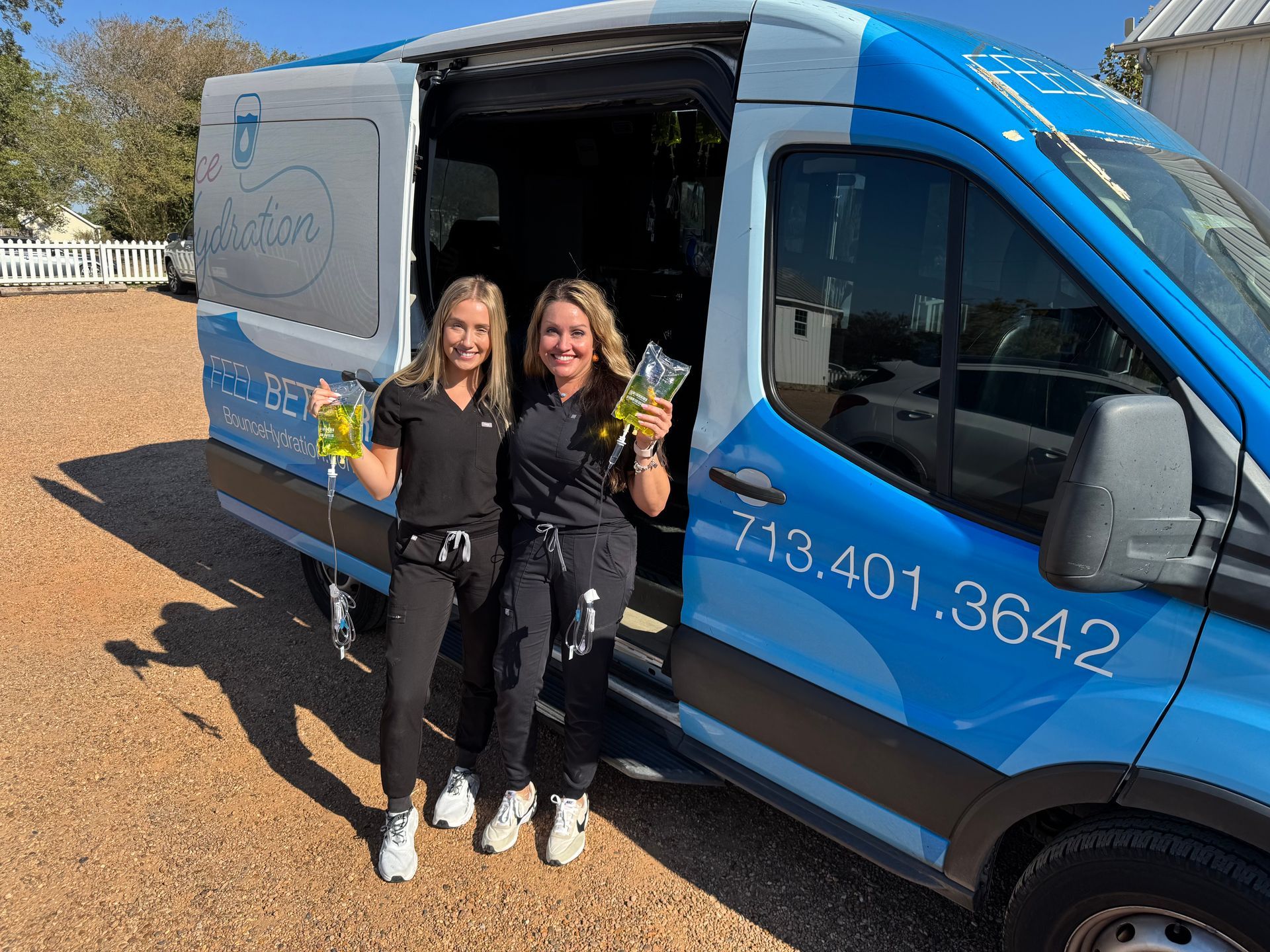
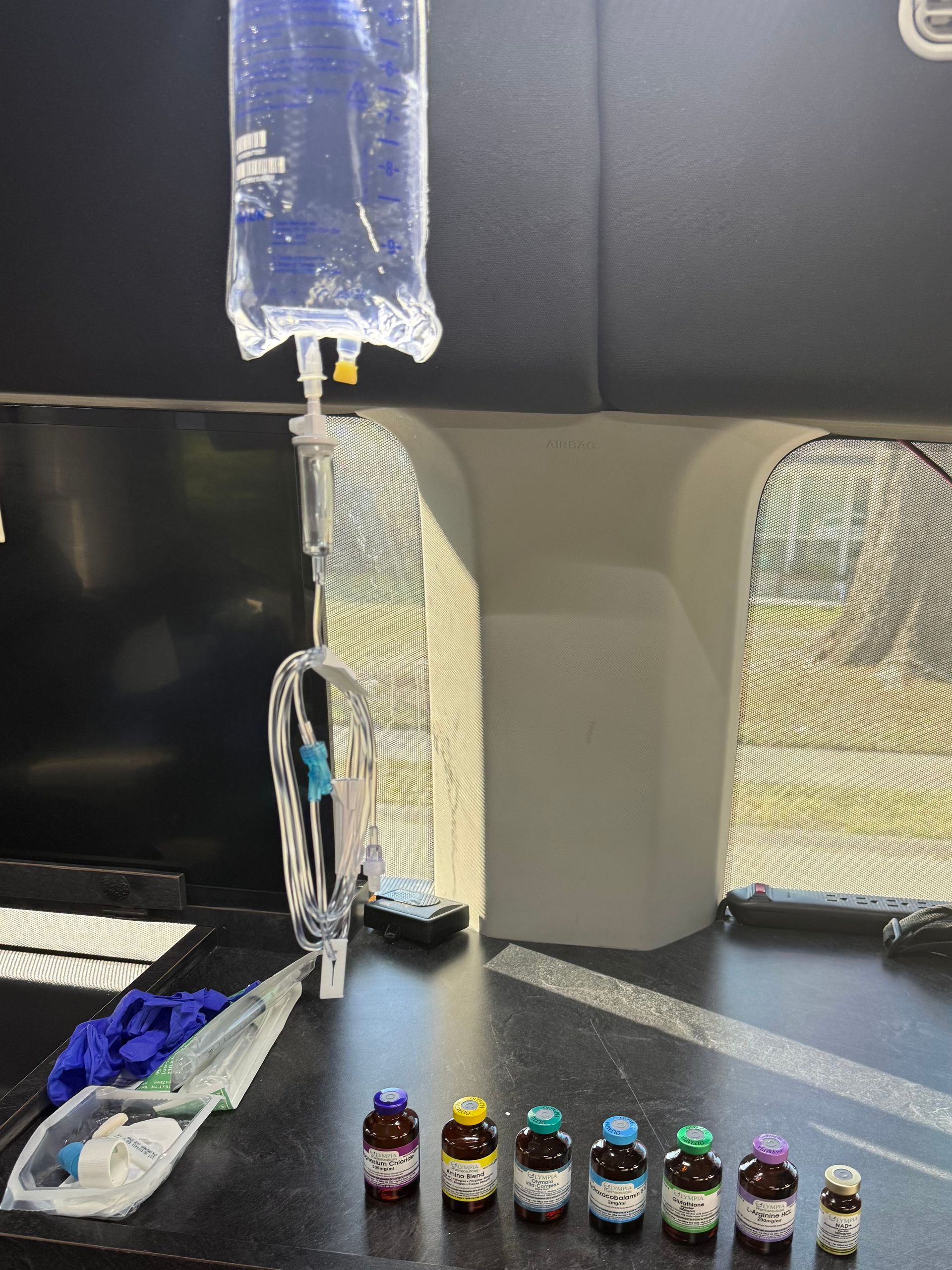
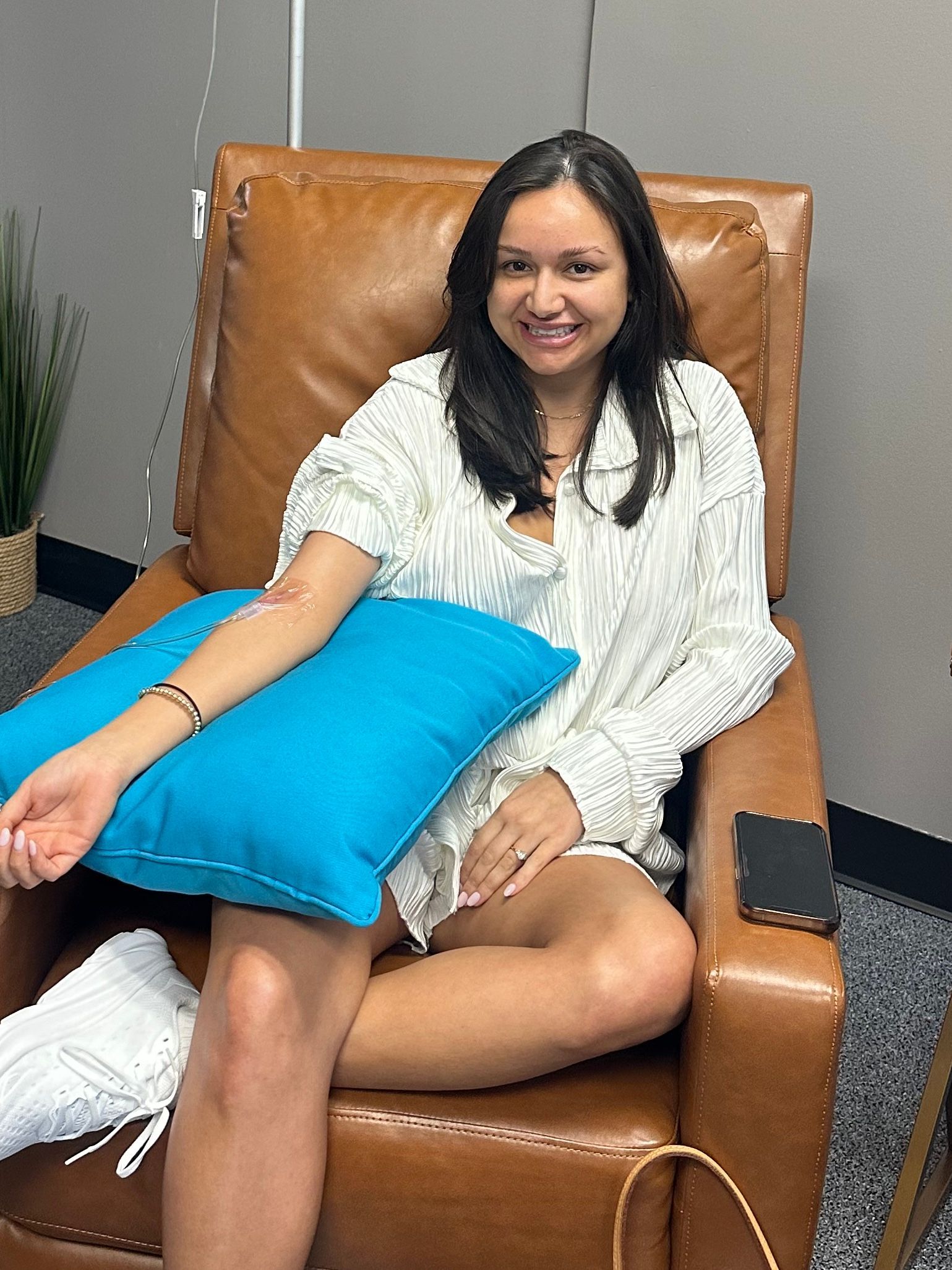
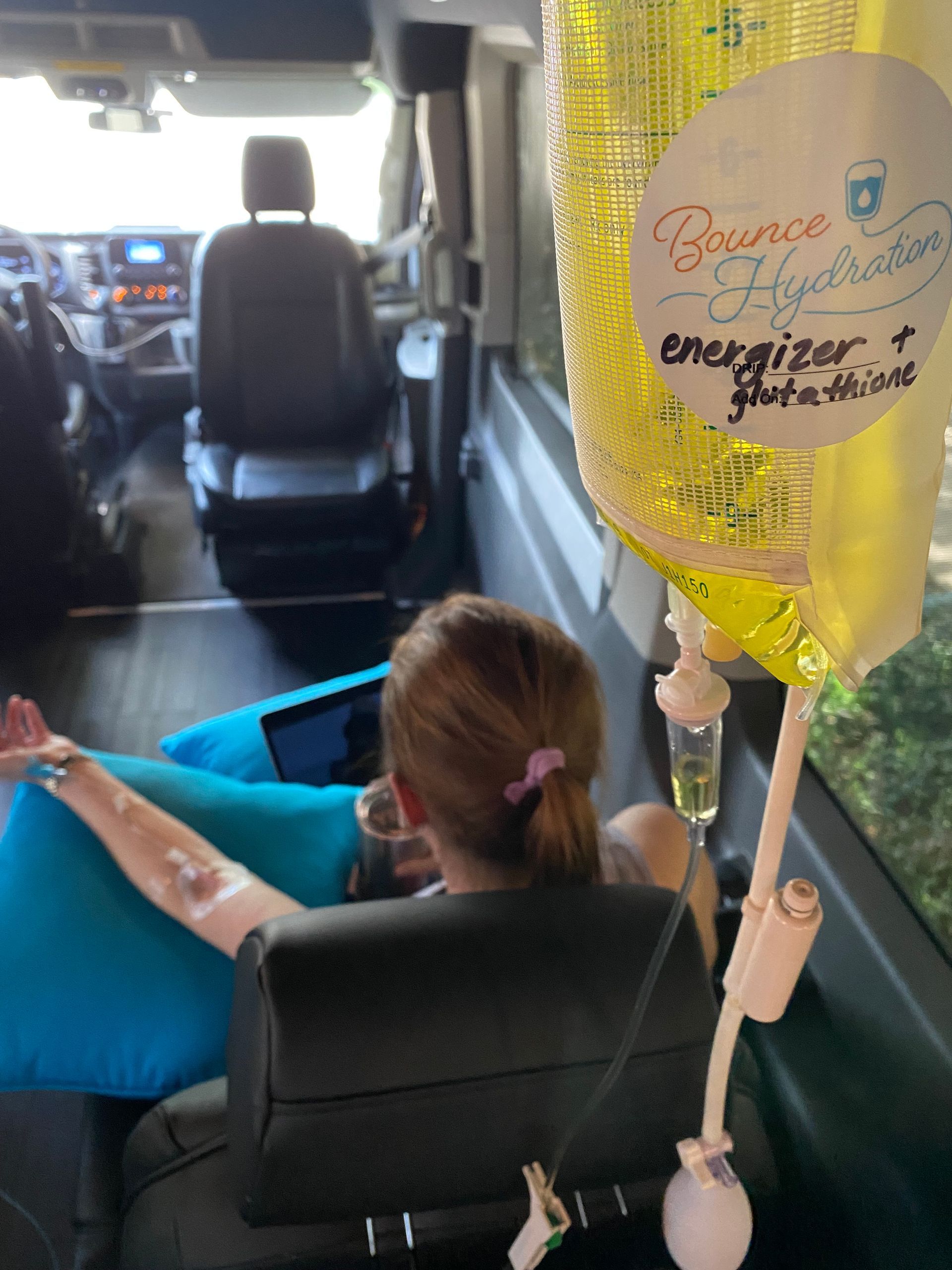
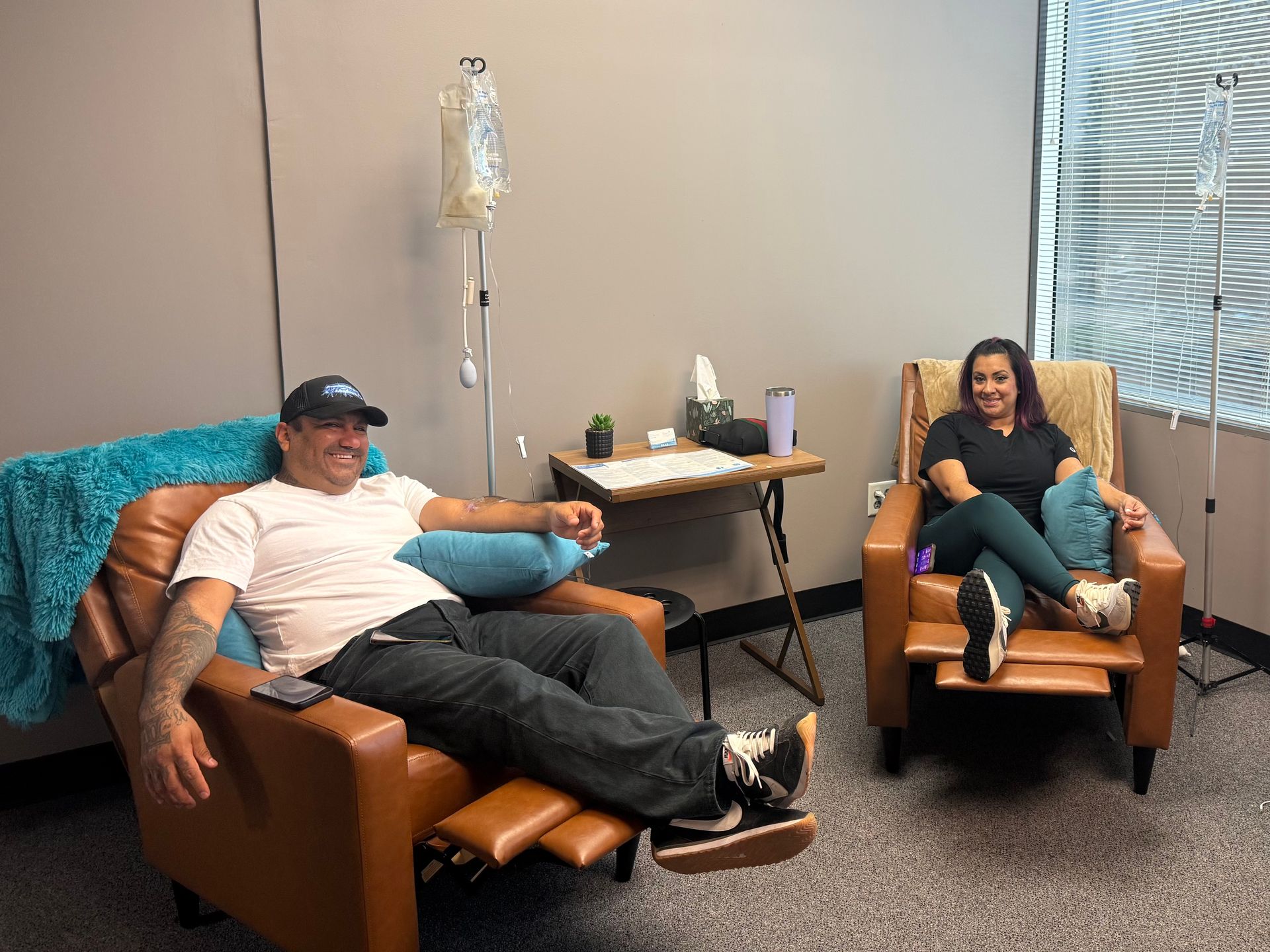
If you’re in the throes of a particularly painful hangover, consider scheduling an IV drip. IV drip therapy can replenish your electrolytes faster than simply drinking water can. And just as important, IV drip therapy can deliver electrolytes and nutrients you can’t find in a bottle. 

While these suggestions can all help to prevent a hangover, the best way to avoid a pounding headache is to drink in moderation. You can still enjoy the party without condemning yourself to a painful morning. 

Sources:

Share with Your Friends and Family!
By Michelle Gibson February 8, 2026
by Bounce Hydration, Houston's trusted IV hydration drip provider for more than eight years.
By Michelle Gibson January 27, 2026
by Bounce Hydration, Houston's trusted IV hydration drip provider for more than eight years.
Houston IV therapy client receiving a vitamin drip at Bounce Hydration wellness office
By Michelle Gibson January 13, 2026
The start of a new year is when most people commit to feeling better and living a healthier lifestyle – better hydration, more energy, stronger immunity, better overall performance and sustainable weight management. But resolutions often fail when the body doesn’t have the biochemical support it needs to keep up. One approach that has gained attention and scientific interest is intravenous (IV) hydration and nutrient therapy. This article explains how IV hydration and nutrient therapy can support your 2026 health goals - and what the research says. Why IV Therapy Works: The Science of Bioavailability When vitamins and minerals are taken orally, absorption is limited by digestion, gut transport, and first-pass metabolism in the liver. In contrast, IV drip therapy puts nutrients directly into circulation with virtually 100% bioavailability, bypassing digestive loss, and liver first-pass metabolism. Research shows that intravenous vitamin delivery produces much higher blood concentrations than oral dosing, even when the same amount is given. Padayatty demonstrated that plasma vitamin C levels from IV delivery are several times higher than what can be achieved by oral supplementation alone. ¹ This explains why IV therapy can rapidly increase circulating nutrients, which may be useful when your body is depleted or needs fast support. This matters because many biological effects of vitamins (immune function, antioxidant activity, cellular energy) depend on achieving sufficient plasma concentrations. Goal #1: Better Hydration - The Foundation of Wellness Hydration is critical for every physiological process, from temperature regulation to nutrient transport and cognitive function. Even mild dehydration impairs physical performance, mood, and cognitive function. ² Fluid balance also plays a critical role in circulation, nutrient transport, and immune defense. A 2024 review in Nutrients found that dehydration alters blood volume, electrolyte balance, and tissue oxygenation - all of which impact energy and recovery. ³ IV hydration restores fluid volume directly into the bloodstream, making it especially effective for: Travel fatigue Heat exposure Exercise recovery Illness-related dehydration Goal #2: More Energy & Less Fatigue Your cells create energy using B-vitamins, magnesium, and vitamin C as metabolic cofactors. When these are low, fatigue, brain fog, and reduced performance often follow. A large scientific review in Nutrients concluded that vitamins and minerals play a critical role in energy production, fatigue reduction, and cognitive performance. ⁴ Because IV therapy delivers nutrients directly into circulation, it avoids digestive losses and rapidly supports cellular metabolism - especially useful during periods of stress, poor sleep, or high activity. Goal #3: Stronger Immune Support Vitamin C, zinc, glutathione, and other antioxidants play central roles in immune cell function, inflammatory regulation, and oxidative stress. A 2023 meta-analysis published in Nutrients found that vitamin C supplementation, including intravenous forms, was associated with reduced mortality in serious infections, demonstrating its ability to influence immune and inflammatory pathways. ⁵ While IV therapy is not a cure for illness, optimized micronutrient status helps the immune system function more effectively - especially during cold, flu, and high-stress seasons. Goal #4: Faster Recovery & Athletic Performance Hydration and electrolytes are essential for muscle contraction, nerve signaling, and circulation. During exercise, illness, or travel, these can become depleted. A 2022 clinical study found that fluid and electrolyte delivery significantly affects plasma volume and rehydration efficiency, both key factors in recovery and endurance. ⁶ IV fluids provide immediate circulatory hydration when rapid restoration matters most. Goal #5: Weight Management Support IV therapy does not replace nutrition or exercise, but it can support weight-loss goals by: Improving hydration (metabolic efficiency) Supporting energy (activity consistency) Reducing fatigue and recovery time (shortens down time after work outs) Weight management includes: Caloric control Consistent activity Medical oversight when appropriate When paired with medically supervised weight-loss programs (like those offered at Bounce Hydration), IV support helps remove barriers (like fatigue and dehydration) that interfere with consistency. Additionally, our Bounce Hydration team works with you to support your goals during each step of your transformation. Practical Tips for 2026 Success Here’s a science-based approach: Stay hydrated daily: Use an app or wearable to ensure consistent fluid intake daily. Support micronutrients: Work with your healthcare provider to identify nutrient gaps that may slow progress. Strategic IV Support: Schedule sessions around periods of high stress, illness, or physical exertion. Lifestyle Foundation: Pair IV therapy with sleep optimization, balanced diet, and a sensible activity routine. Personalized plans work best - and that’s where a consultation with licensed medical professionals can make the difference. At Bounce Hydration, every IV plan starts with a medical review, so your treatment is safe, effective, and tailored to your goals. Book Your Personalized IV Consultation Whether you’re focused on: Energy Immunity Hydration Recovery Weight management At Bounce Hydration in Houston, we work with clients every day who want to optimize their health with science based IV therapy, vitamin injections, and medical wellness services. We can help you turn your intentions into a strategy with customized IV plans tailored to your unique needs. Call us at (713) 401-3642 to discuss options or book a consultation to create a personalized IV therapy plan for 2026. Scientific References 1. Padayatty S. et. al. Vitamin C pharmacokinetics: implications for oral and intravenous use. The American Journal of Clinical Nutrition. 2004. https://pubmed.ncbi.nlm.nih.gov/15068981/ 2. Armstrong LE. Hydration Assessment Techniques. Nutrition Reviews. 2005 Jun;63(6 Pt 2):S40–S54. https://pubmed.ncbi.nlm.nih.gov/16028571/ 3. Wang B et al. A Review on In Vivo Research Dehydration Models and Application of Rehydration Strategies. Nutrients, 2024. https://www.mdpi.com/2072-6643/16/20/3566 4. Tardy AL et al. Vitamins and minerals for energy, fatigue and cognition: a narrative review. Nutrients, 2020. https://pubmed.ncbi.nlm.nih.gov/31963141/ 5. Xu C et al. Association of Oral or Intravenous Vitamin C Supplementation with Mortality: A Systematic Review and Meta-Analysis. Nutrients, 2023. https://pubmed.ncbi.nlm.nih.gov/37111066/ 6. Yun HJ et al. Fluid absorption and plasma volume changes after beverage consumption. Journal of the International Society of Sports Nutrition, 2022. https://pubmed.ncbi.nlm.nih.gov/36476514/ The studies cited above are provided for educational purposes only and do not constitute medical advice. IV hydration and nutrient therapy should be administered only under the guidance of a licensed medical professional. * Disclaimer: This content is for informational purposes only and should not replace professional medical advice. Please consult your healthcare provider for personalized recommendations. Statements about IV hydration or nutrient therapy have not been evaluated by the FDA. These services are not intended to diagnose, treat, cure, or prevent any disease.
By Michelle Gibson November 29, 2025
Understanding What's Inside Your IV Drip Therapy
By Michelle Gibson November 4, 2025
Houston Edition — Beat the Heat, the Chill and Everything In Between
By Michelle Gibson October 16, 2025
Elevate Your Mind and Body with IV Drip Therapy
Introducing Botox & Fillers Injectables
January 5, 2023
You want to feel young on the inside and outside, so enhance your natural beauty with Bounce Hydration’s new services: Botox, Dysport, Juvederm, and Restylane Dermal Filler injectables.
How to Recover From a Cold Fast
September 27, 2022
Achoo! Looks like you’ve come down with the common cold. But don’t let it knock you out — follow these tips to recover from that cold quickly.
Parched? Here’s How to Recover From Dehydration
August 24, 2022
When was the last time you had a glass of water? If you aren’t sure, go and have one right now. Hydration is essential to the maintenance and performance of our bodies, yet about 75 percent of the U.S. population is chronically dehydrated.
Boost Your Energy Levels with These Simple Tips
By mandrews June 29, 2022
Do you feel sluggish, worn out, or just plain tired? Don’t worry — a lot of us do, given everything that’s going on in the world. Low energy is practically an epidemic in itself. In fact, according to the UK’s National Health Service, it’s so common that there’s an acronym used to describe perpetual exhaustion: TATT. It means “tired all the time.” But commonality doesn’t make low energy levels any easier.