9 Health & Wellness Tips to Keep in Mind in Winter
Fall and winter have traditionally been a time of gathering and giving thanks for what we have and being hopeful for the future. However, things might be a bit different this year — a lot different, perhaps.
In the time of the coronavirus, we simply don’t know how the next few months are going to fare. As days get shorter and temperatures begin to get colder, people will shift from outdoor to indoor activities. As we know by now, the virus spreads more easily indoors than outside where the particles can be quickly dispersed.
Thus, this could be a difficult winter season for everyone. Thankfully, you can prepare yourself now both physically and mentally to stay healthy during the winter months. Here are our 9 top tips for improving your wellness this winter in body and spirit.

1. Schedule Your Flu Shot
Preventing the spread of influenza has always been important, but getting a flu vaccine for the 2020-2021 flu season is more important than ever. According to the Center for Disease Control (CDC), the influenza virus and the COVID-19 virus will likely both spread this fall and winter at the same time. Although the influenza virus does spread year-round, peak flu season — the time when the flu is most rampant among the U.S. — is between December and February — also known as winter.
There are several clear benefits to this five-minute endeavor:
- It is proven that flu vaccines reduce the risk of illness, hospitalization, and death.
- Getting a flu vaccine may help save resources down the line for people who need them.
To dispel an unfortunate myth — the flu vaccine will not make you sick . The strains contained within the vaccine are inactivated (dead) viruses. The CDC recommends anyone over 6 months of age receive a vaccination.
This might be the easiest thing you can do to keep you safe. So, take five minutes out of your day to protect your family and others around you. It’s the right thing to do.
2. Wash Your Hands (the Right Way)
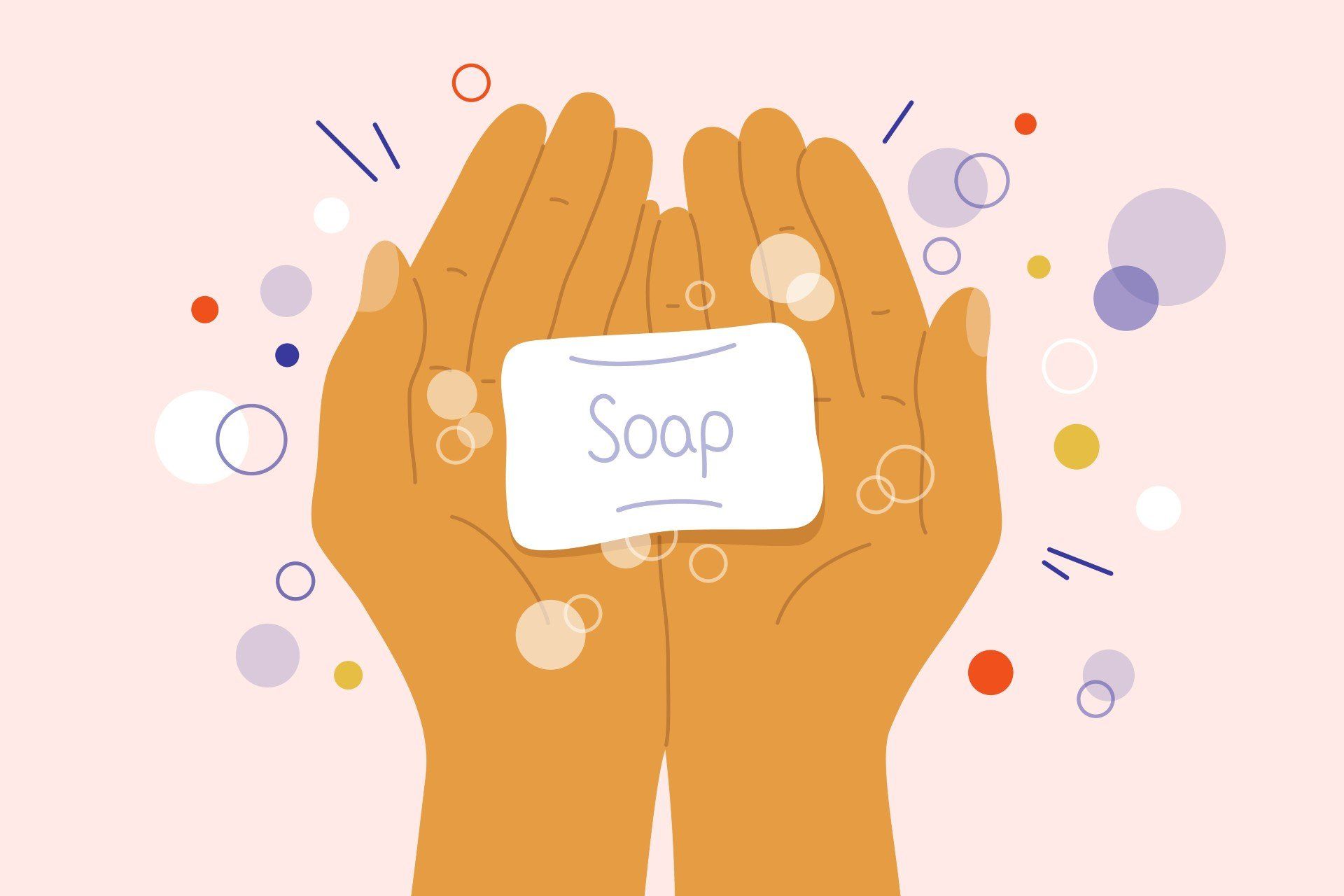
You’ve heard this over and over — and we’re even tired of hearing it — but the truth is that the simple act of washing your hands can save lives this winter . It’s proven to be one of the best ways to protect yourself, prevent the spread of germs like the cold and flu, and keep your family and others around you from getting sick.
Per the actual science from the CDC, there is a correct way to wash your hands, and yes, it is for 20 seconds:
- Turn on the tap and wet your hands
- Turn off the water and apply soap
- Begin lathering your hands, making sure to get between your fingers and under your nails
- Scrub-a-dub-dub for at least 20 seconds
- Rinse your hands under clean, running water
- Dry your hands using a clean towel or air dry them
What should you do in those 20 seconds? While people recommend singing the “Happy Birthday” song twice every time you wash your hands, that will get a little old. Thanks to the Today Show, here are 15 songs to break up the monotony and have a little fun during this boring, yet critical, task.
3. Moisturize Your Skin
All that handwashing coupled with the dryness of winter air will lead to under-moisturized and dry skin thirsty for some hydration. Keeping your skin — and yourself, for that matter — hydrated is important for properly functioning skin. Your skin serves as your most important protective barrier, so when it doesn’t get enough hydration, it leads to irritation, eczema, and cracking, which poses a greater risk for infection.
The solution? Hydrate, hydrate, hydrate.
Here are some ways you can keep your skin looking supple and fresh all winter long:
- Find a lotion that works for you . There are tons of moisturizers and lotions out there for all different skin types. Find one that helps you and stick with it.
- Use a humidifier : Winter is so drying for our skin because there’s not a lot of moisture in the air. On really dry days, consider using a humidifier to keep your skin soft.
- Shower in warm water : Hot showers can strip the skin of its natural oily barrier and cause further dryness. Instead, you should take a warm shower that isn’t as hot as normal.
- Hydrate from the inside : One of the easiest ways to hydrate not just your skin but your entire body is drinking lots of water. It’s scientifically proven, and we need water to survive. As you might imagine, we also recommend the therapeutic benefits of drip hydration.

4. Let in the Sunshine
Sunlight — or the lack thereof — has a profound effect on our mood, studies suggest. Seasonal affective disorder (SAD) is a type of depression that occurs in climates where there is less sunlight typically in the fall or winter. Stories about SAD are especially prevalent in Alaska and the Nordic countries where people are shrouded in darkness most of the winter.
The solution? Open your curtains and blinds and let a little sunlight in! While we can’t speak to a clinical diagnosis, the studies have shown a correlation between sunlight and serotonin, a hormone that stabilizes mood and affects your entire body. This is why light therapy is a common treatment path for SAD.
It’s a weird time for us all — and while we don’t know what you’re going through — a bit of sun can’t hurt, especially with the use of sunscreen to block harmful rays.
5. Find a Hobby
Besides breaking up the monotony of the day, hobbies — like painting, sewing, knitting, playing an instrument, and even running — can have both physical and mental health benefits.
As humans, we want to feel good. Our DNA is hard-wired to release feel-good hormones when we do something that actually feels good, like taking a bath or eating a piece of cake. Hobbies can accomplish those same feelings, as well as provide a good distraction from the crazy and very hectic world around us.
Along with providing a mental health break, hobbies can also provide us with physical benefits as well. According to the American Heart Association, studies have shown that hobbies can lower our heart rates and our blood pressure.
The New York Times shares a great guide on how to find a hobby you actually like. We suggest finding something not boring, but also not too difficult. Painting, yoga, or arts and crafts are all fun options to experiment while stuck at home.
6. Consider Finding a Therapist
Everyone reacts differently to stress, especially as we undergo one of the most stressful times in our lives. As mental health increasingly becomes more common and less taboo, people are openly and willingly ready to talk about it.
For more information on coping with stress and other mental health issues during this time, visit the CDC’s webpage on coping with stress.
7. Stay Home if You Are Sick
The CDC is clear: limited close face-to-face contact with others — known in common parlance as “social distancing” — remains the best method for reducing the spread of COVID-19. As social beings, however, we crave interaction with other people, and the absence of socialization can have significant impacts on our mood and mental health.
Thankfully, we can still connect with friends and scratch that socializing itch we all innately crave while also protecting ourselves.
Our two favorites are:
- Zoom with your friends and family . Connecting with your friends online is the safest way to enjoy social interaction while also doing your part to keep others safe. While you won’t get that same physical interaction, it is nice to see someone and talk to them when you really need it.
- Hang out outdoors within a safe distance . Though gathering in any form presents certain risks, social distancing while outside and with masks on is generally accepted. It is safer than socializing indoors because natural ventilation can disperse the coronavirus more easily than indoor ventilation can.
Any physical social interaction involves risk, but there are steps we can take to lessen the chances and remain sane through it all.
8. Stay Physically Active and Eat Right
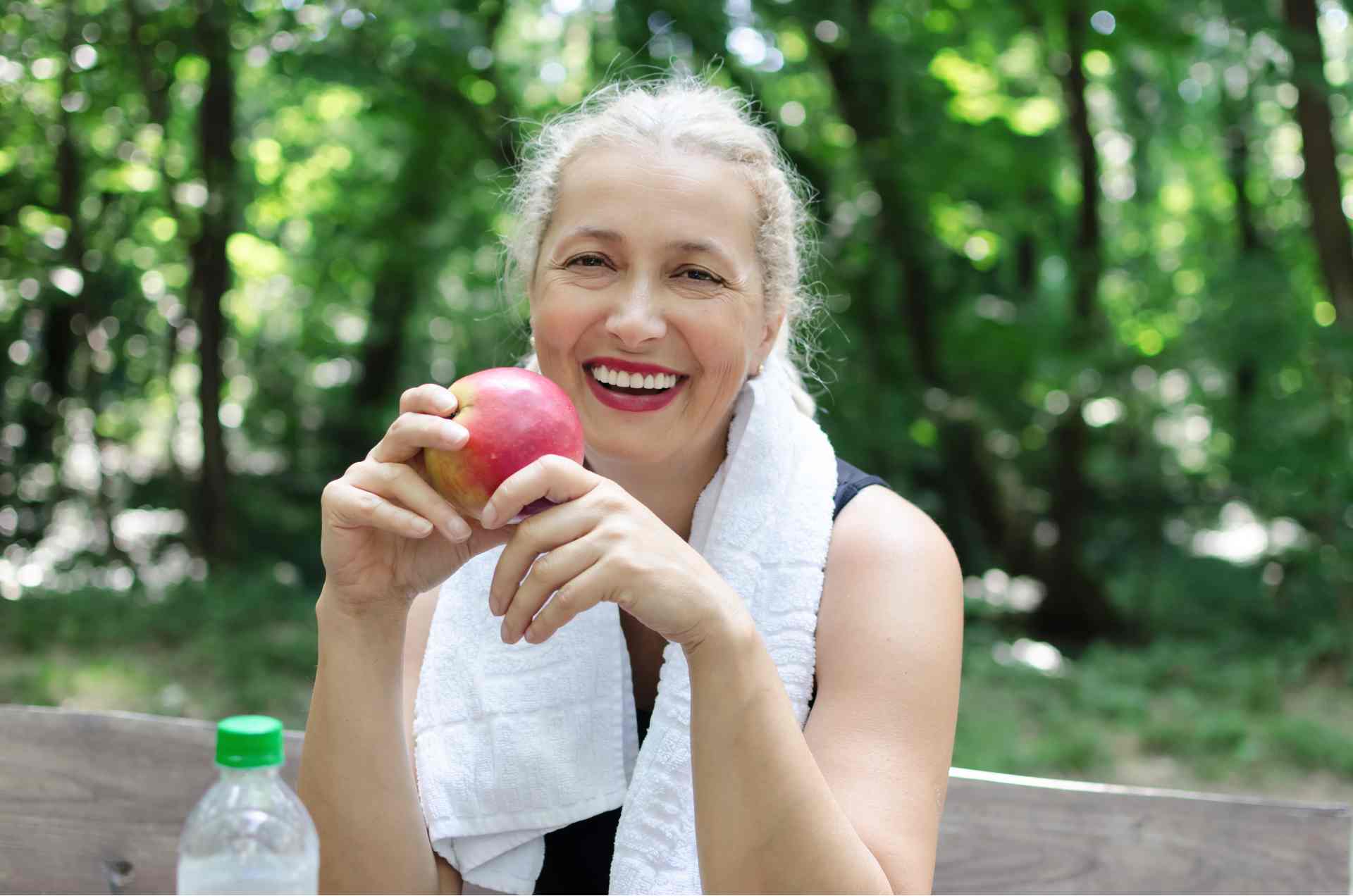
According to the World Health Organization, staying active is more important than ever. Not only does physical activity strengthen your muscles, boost your stamina, and help lower blood pressure, but it’s also a natural mood stabilizer.
Being active stimulates certain chemicals in our brain, including dopamine and endorphins, which leaves you happier and feeling less anxious. Exercise also contributes to overall good physical health, which, in turn, contributes to an overall better immune system.
You can also feel better and boost your immune system during the winter by eating healthy foods. We recommend increasing your intake of fruits and vegetables rich in vitamins and minerals, including:
- Kale
- Broccoli
- Spinach
- Berries
- Nuts
- Olive oil
Dark leafy greens and bright berries contain lots of antioxidants, including vitamin C, A, and K.

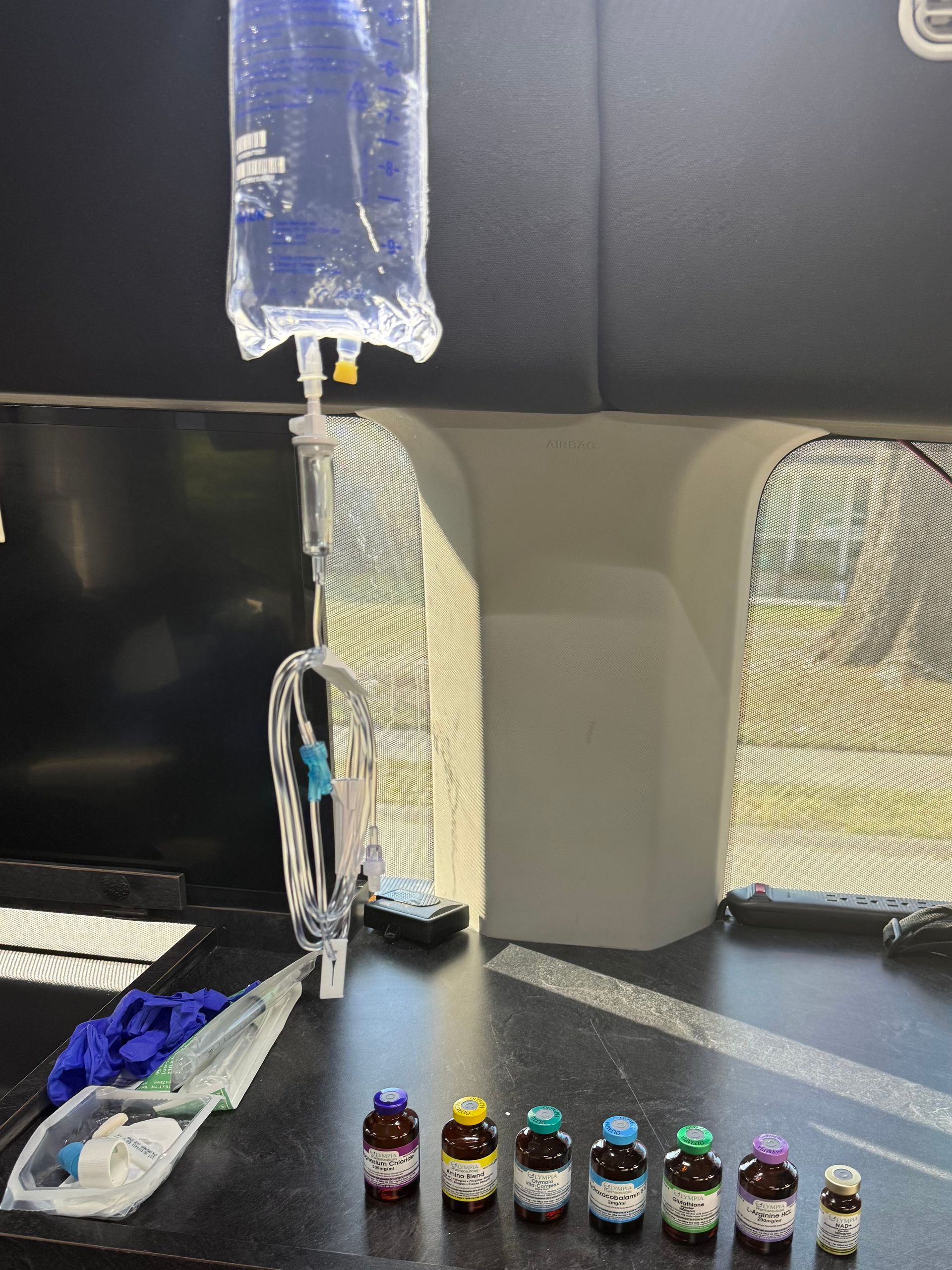
9. Consider an IV Drip to Boost Your Immune System
You can also get these vitamins in an IV drip. For winter, however, you may want to focus on the vitamins, antioxidants and minerals that strengthen your immune system. These include:
- Zinc
- Vitamin C
- Glutathione
- Vitamin B Complex
These substances not only help ward off bacteria and viral infections like the cold and flu, they may also promote healing and cell growth and even lessen the span of an illness. You can take several of these orally, but with an IV drip, these nutrients are able to bypass your digestive system and be inserted directly into the bloodstream for your body to use.
All of these ingredients can be found in our immunity IV drips.
The only way we’re going to get through winter 2020 is together. We hope you stay safe, hydrated, and healthy in your body, mind, soul, and spirit.
Share with Your Friends and Family!